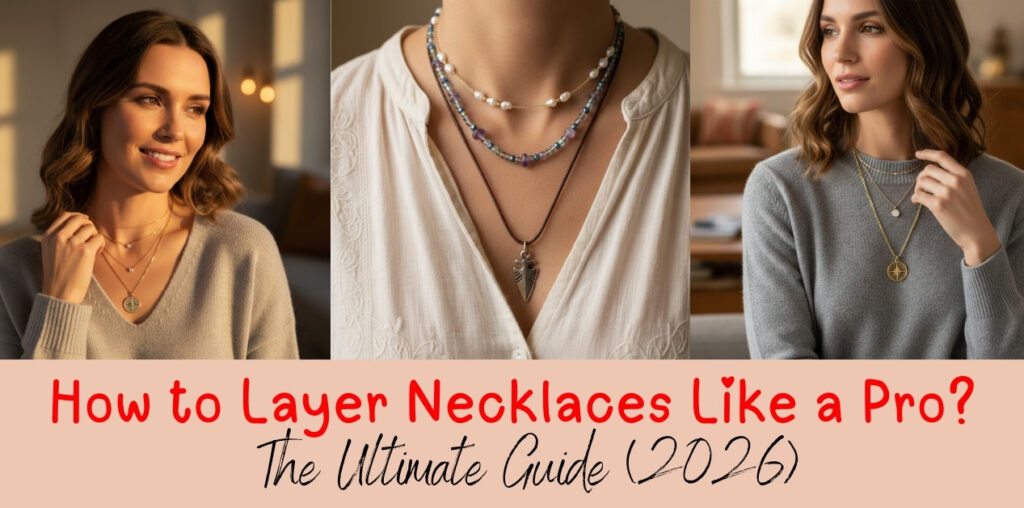
Layering necklaces has become one of the most popular jewelry trends, and for good reason. It’s an effortless way to add personality to any outfit, whether you’re heading to brunch or a business meeting. But let’s be honest getting that perfectly stacked look isn’t always as easy as it appears on Instagram.
The good news? Once you understand a few simple techniques, necklace layering becomes second nature. In this guide, I’ll walk you through everything you need to know to create beautiful, balanced layers that look intentional, not accidental.
Why Necklace Layering Works
Before we dive into the how-to, let’s talk about why layered necklaces look so good. When you layer jewelry, you’re creating visual depth and dimension around your neckline. It draws the eye upward toward your face and adds interest to even the simplest outfit.
A basic white tee and jeans suddenly looks put-together when you add three delicate gold chains. That little black dress transforms from simple to sophisticated with the right necklace combination. That’s the power of layering.
The Golden Rule: Vary Your Lengths
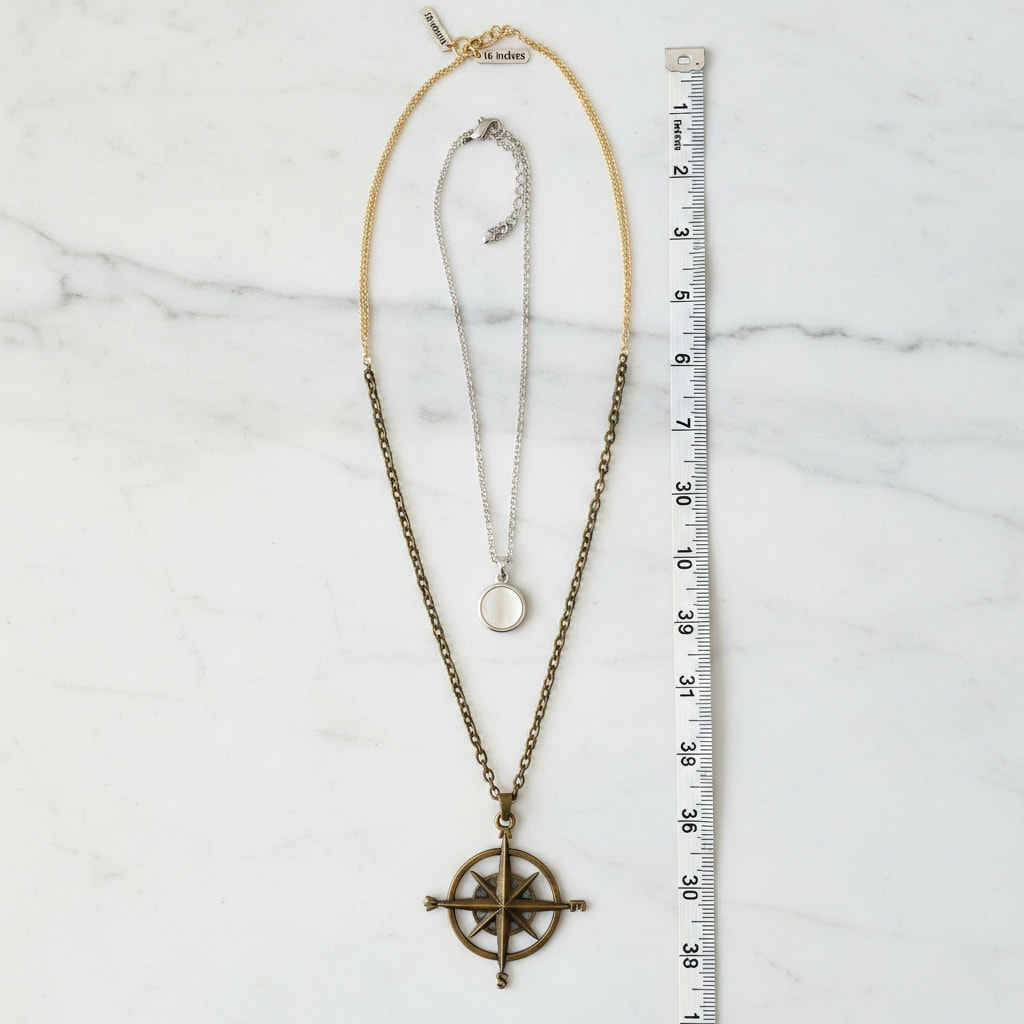
This is the most important principle for how to layer necklaces successfully. Each piece should sit at a different length so they don’t compete for the same space or tangle together.
Think of it like this: your shortest necklace should sit at your collarbone, your middle piece around your clavicle, and your longest piece somewhere between your clavicle and bust. Aim for at least two inches of space between each layer.
Here’s a foolproof length combination to start with:
- First layer: 14-16 inches (choker or collar length)
- Second layer: 18-20 inches (princess length)
- Third layer: 24-30 inches (matinee length)
This creates a balanced, cascading effect that works with most necklines.
Start Simple: The Two-Chain Method

If you’re new to necklace layering, start with just two pieces. This is the easiest way to get comfortable with the technique without feeling overwhelmed.
Choose one delicate chain with a small pendant and pair it with a slightly longer plain chain. The difference in texture and length creates visual interest without being too busy. Wear this combo for a few days until it feels natural, then add a third layer when you’re ready.
Mixing Metals: Breaking the Old Rules
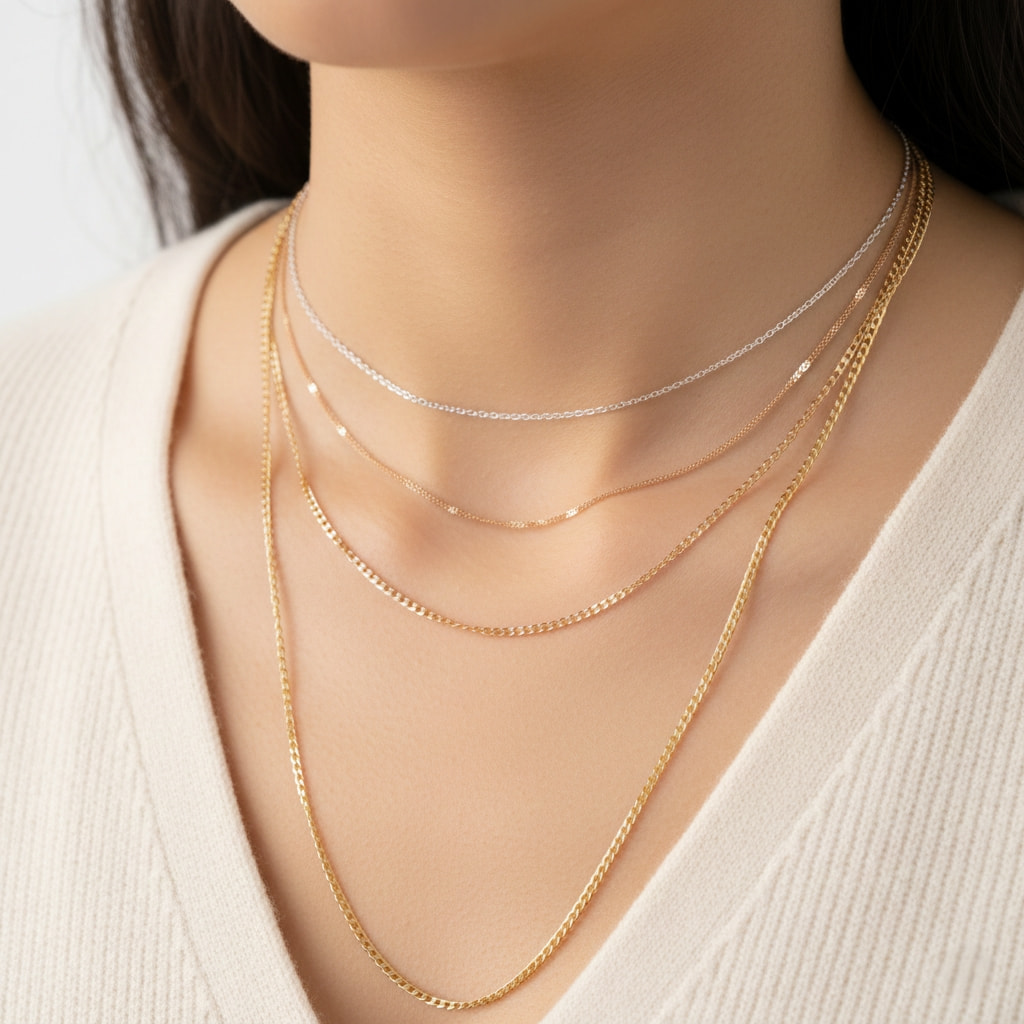
Remember when everyone said you couldn’t mix gold and silver? Those days are long gone. In 2026, mixing metals is not just acceptable it’s encouraged.
The key is to make it look intentional. If you’re layering gold necklaces with silver pieces, make sure at least one piece incorporates both metals. This creates a visual bridge that ties everything together. Rose gold also works beautifully as a transitional metal between yellow gold and silver.
Don’t overthink it though. If you love the combination, wear it confidently. Fashion is about expressing yourself, not following rigid rules.
How to Layer Necklaces Without Tangling
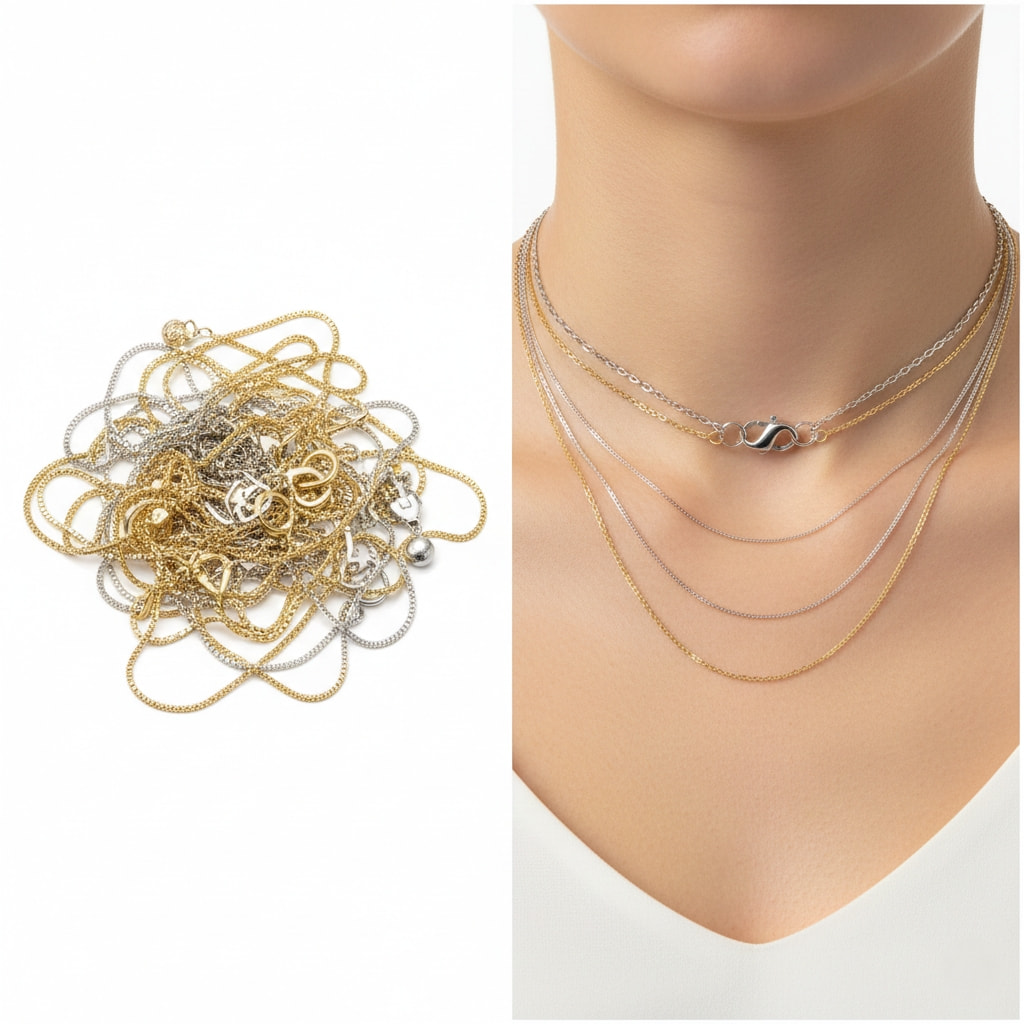
This is probably the biggest concern people have about necklace layering, and I get it. There’s nothing more frustrating than spending ten minutes untangling chains before you can leave the house.
Here’s how to prevent tangling:
Choose different chain styles. If all your necklaces have the same delicate cable chain, they’re more likely to twist together. Mix it up with a box chain, a rope chain, or a snake chain.
Use necklaces with different weights. A chunky chain won’t tangle as easily with a delicate one because they naturally separate due to their different weights.
Clasp them separately. Instead of clasping all your necklaces at once, put on one, adjust it, then add the next. This prevents them from twisting during the clasping process.
Consider a necklace spacer or layering clasp. These handy tools have multiple loops that keep each chain in its designated space. They’re game-changers if you layer necklaces daily.
Pendant Placement: Creating Balance
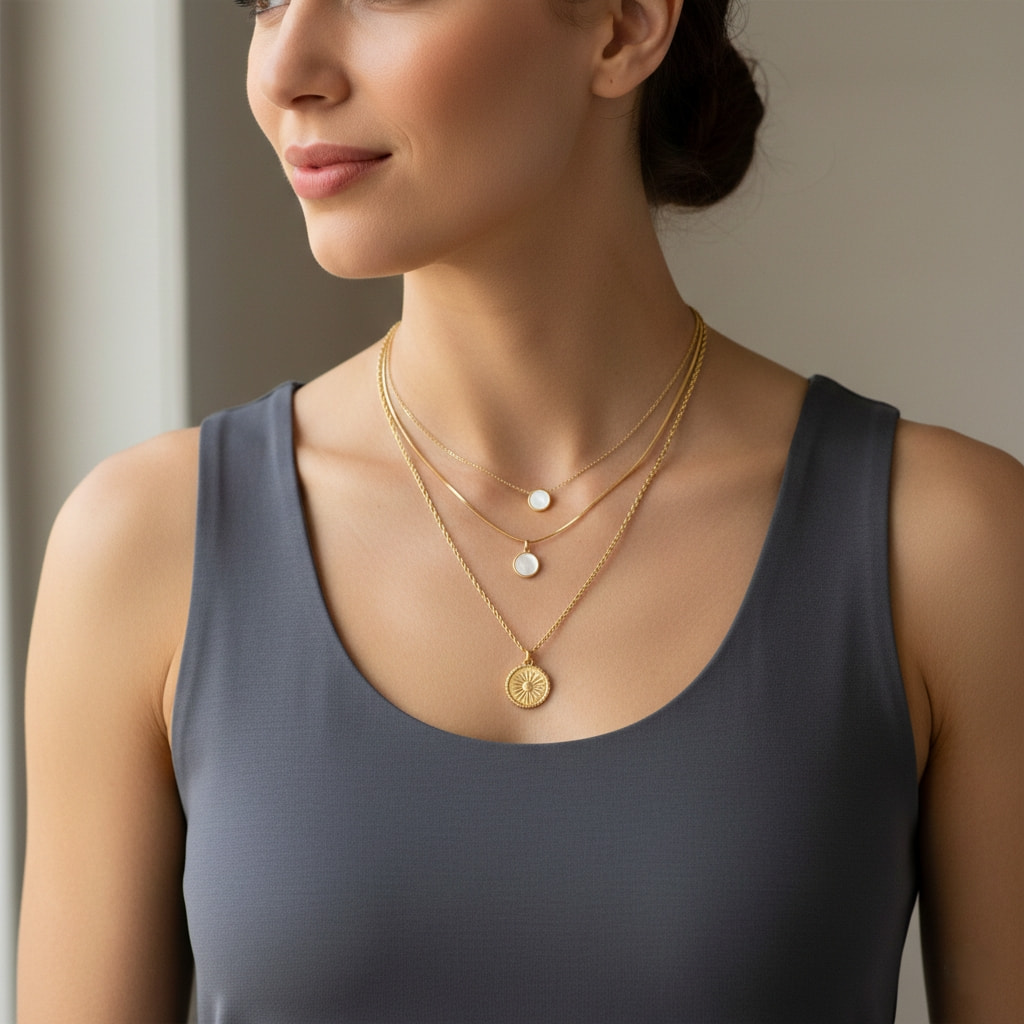
When you’re layering delicate necklaces with pendants, placement matters. You don’t want all your focal points clustering in one spot.
Vary where your pendants fall. If you have a pendant on your shortest necklace, keep your middle layer simple, then add another pendant to your longest piece. This creates a rhythm that’s pleasing to the eye.
Also consider the size of your pendants. A large statement pendant should typically be your focal point, with simpler, smaller pieces layered around it.
Matching Your Neckline
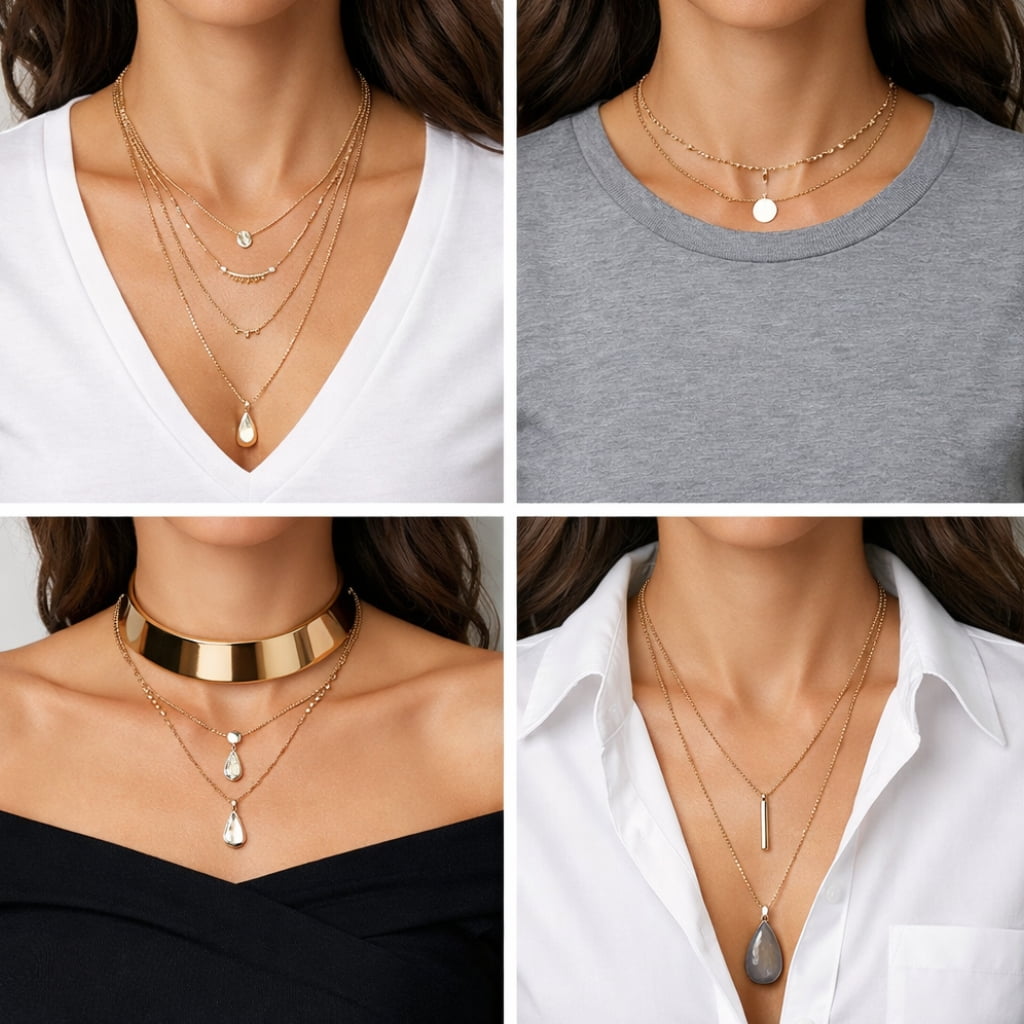
Different necklines call for different layering strategies. Here’s how to style layered necklaces for the most common tops:
V-necks: These are perfect for necklace layering because they create a natural frame. Mirror the V-shape with your longest necklace, and add shorter layers above it.
Crew necks: Stick with shorter layers (14-18 inches) so your necklaces sit above the neckline rather than hiding underneath.
Off-the-shoulder: This is your moment to go bold with a statement choker as your top layer, since your neck and shoulders are fully visible.
Button-ups: Layer longer necklaces (20-30 inches) that can peek out between the buttons for a sophisticated, layered look.
The Three-Necklace Sweet Spot
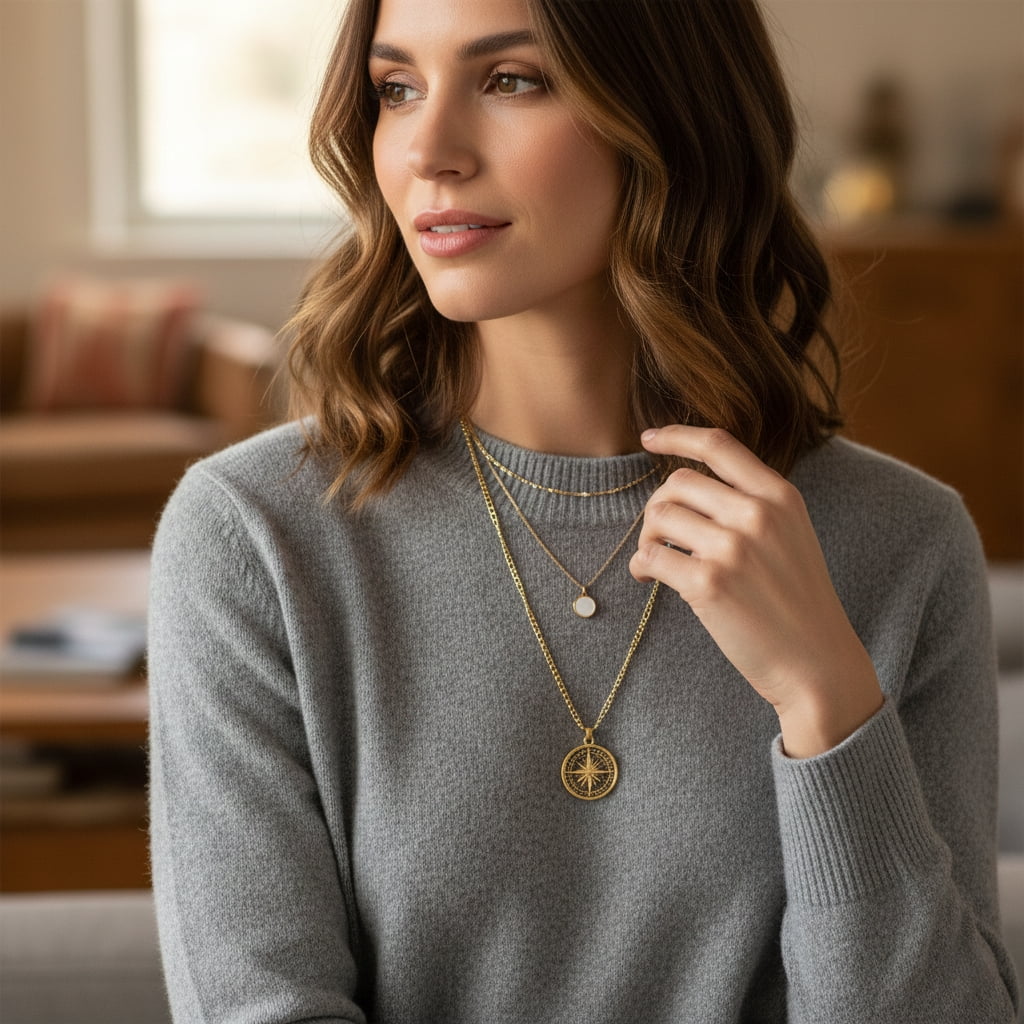
While you can technically layer as many necklaces as you want, three is the magic number for most people. It’s enough to create impact without looking overdone.
For your three-layer combo, try this formula:
- One simple, thin chain (your foundation)
- One piece with a small charm or pendant (your interest piece)
- One longer, slightly bolder chain (your statement piece)
This combination works for everything from casual weekends to professional settings.
Choosing the Right Necklaces for Layering
Not all necklaces are created equal when it comes to layering. The best necklaces for layering have adjustable lengths or extension chains, giving you flexibility to create the perfect spacing.
Look for:
- Delicate chains in varying thicknesses
- Pieces with small, lightweight pendants that won’t weigh you down
- Adjustable clasps or extenders
- Different textures like beaded, braided, or hammered metals
Avoid super chunky statement necklaces unless they’re your only layer. They’re beautiful on their own but difficult to layer with other pieces.
Color and Texture Combinations
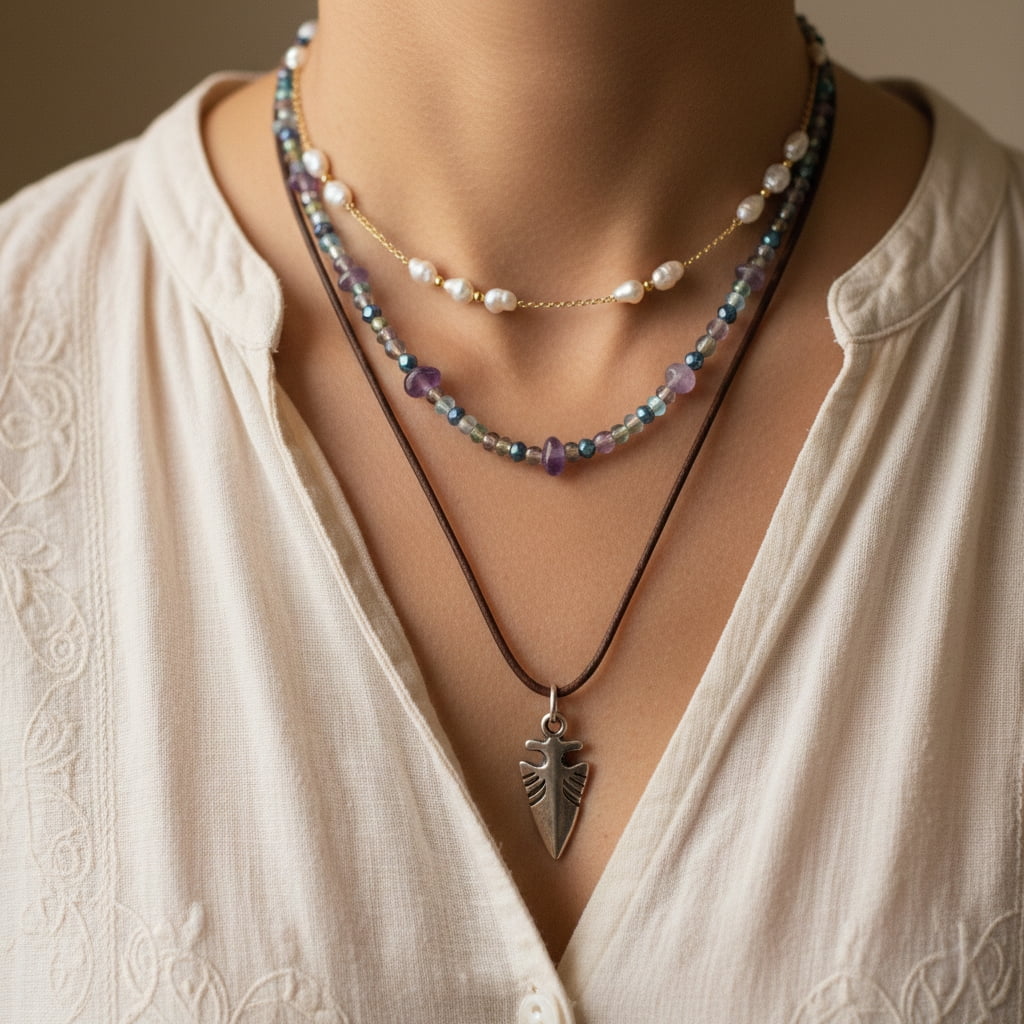
Beyond mixing metals, think about incorporating different textures and elements into your layers. A pearl strand mixed with gold chains creates a classic, elegant look. Tiny gemstone beads add a pop of color without overwhelming your outfit.
For a bohemian vibe, try mixing delicate chains with a thin leather cord. For something more modern, combine sleek metallic chains with geometric pendants in different sizes.
The key is maintaining some visual connection between pieces—whether that’s similar metals, complementary colors, or a cohesive style aesthetic.
Common Mistakes to Avoid
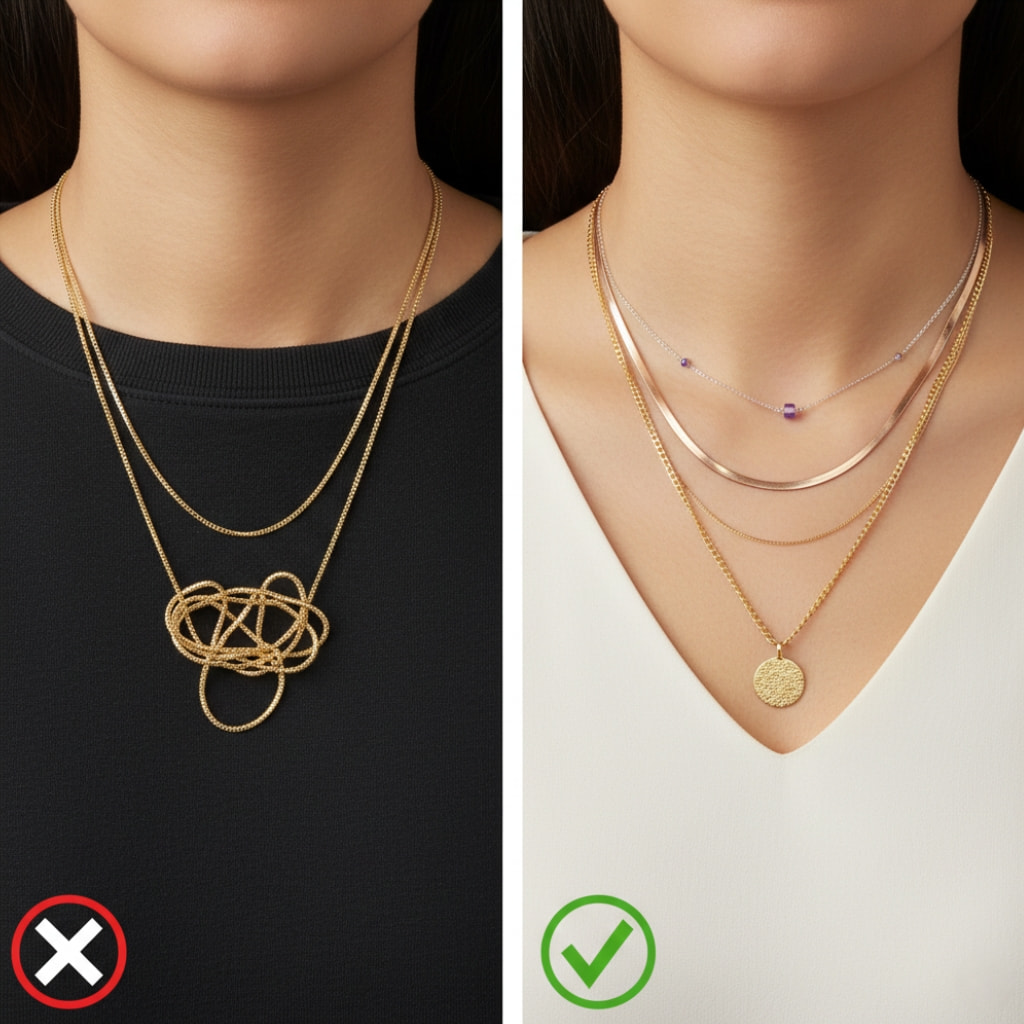
Even with the best intentions, it’s easy to make these necklace layering mistakes:
Using the same length chains. They’ll tangle and clump together instead of creating distinct layers.
Going too matchy-matchy. Three identical gold chains in different lengths can look boring. Add variety through texture, thickness, or pendants.
Forgetting about your outfit. A busy patterned top might need simpler layers, while a solid color can handle more elaborate pieces.
Overdoing it. If you’re wearing statement earrings, keep your necklace layers more subtle. Let one area be your focal point.
Making It Your Own
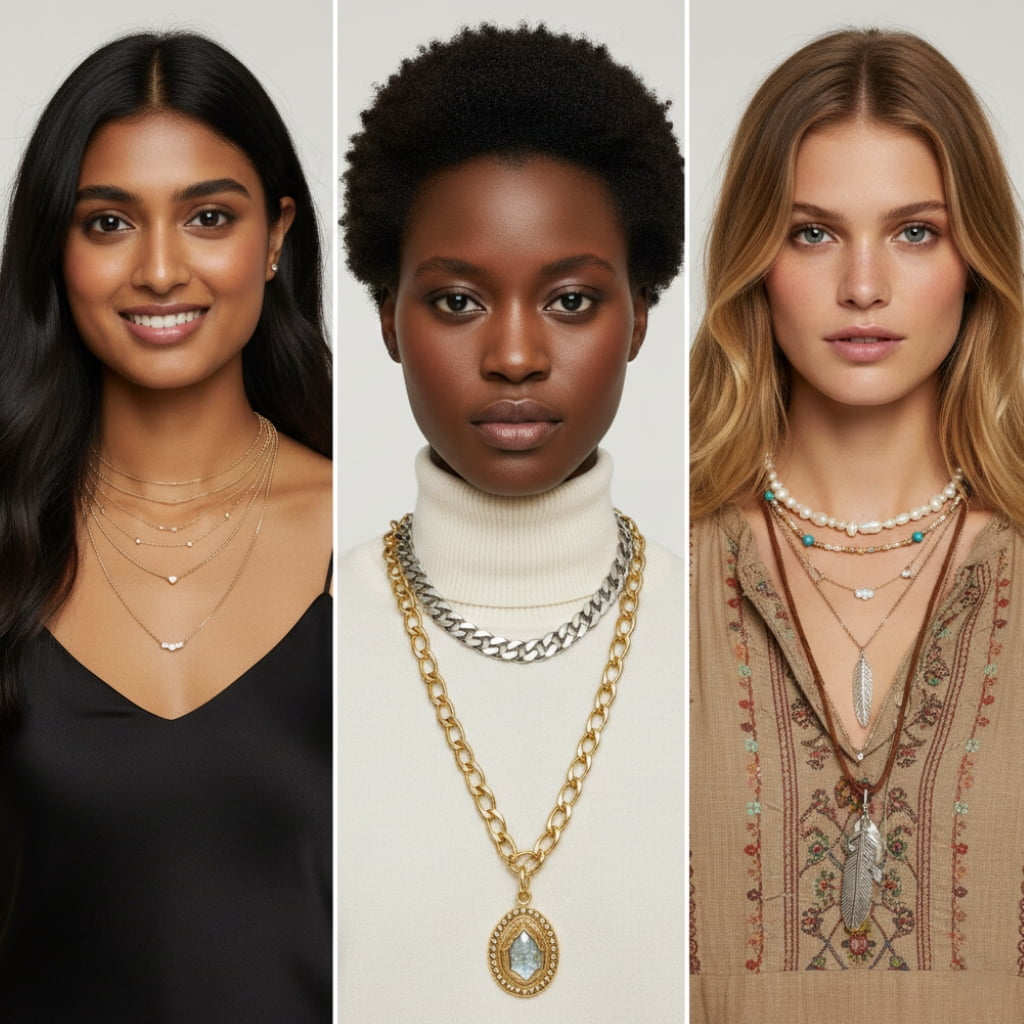
The beauty of learning how to layer necklaces is that there are no absolute rules. These guidelines give you a strong foundation, but your personal style should always shine through.
Maybe you love the look of five delicate gold chains cascading down. Perhaps you prefer just two chunky pieces for a bold, minimalist statement. Both are valid approaches to necklace layering.
Start with these techniques, experiment with different combinations, and pay attention to what makes you feel confident. That’s when you’ve truly mastered the art of layering jewelry.
Final Thoughts

Necklace layering is one of those styling techniques that looks complicated but becomes intuitive with practice. Start simple with two pieces, pay attention to length variation, and don’t be afraid to mix metals and styles.
The most important thing? Wear what makes you happy. Whether that’s three delicate chains or a bold combination of chunky and dainty pieces, the right necklace layers are the ones that make you feel like the best version of yourself.
Now grab those necklaces sitting in your jewelry box and start experimenting. You might be surprised at the combinations you create!