
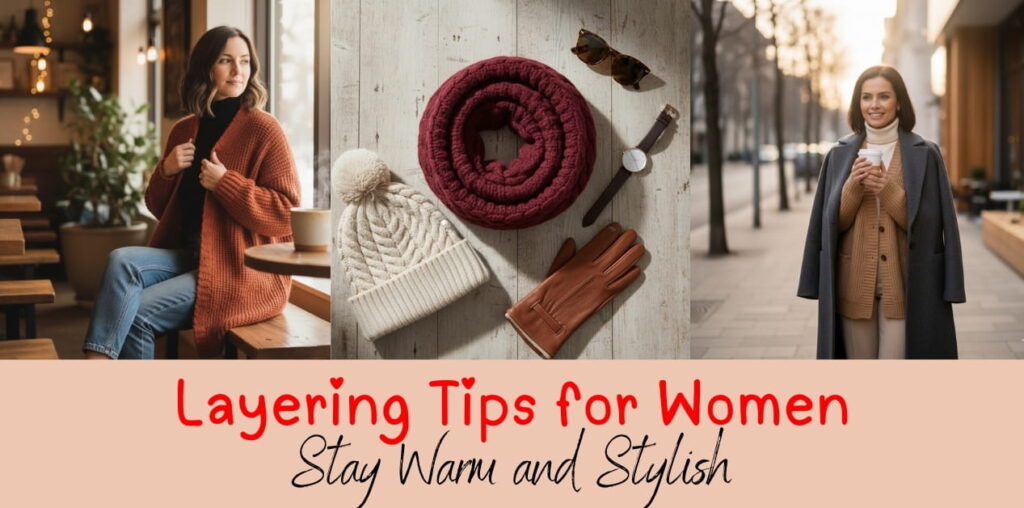
There’s something deeply satisfying about getting dressed on a cold morning and knowing you’ve nailed the balance between warmth and style. Winter dressing doesn’t have to mean choosing between looking good and feeling comfortable.
The truth is, layering is both an art and a science, and once you understand the basics, it becomes second nature. Whether you’re heading to the office, running weekend errands, or meeting friends for brunch, the right layering strategy keeps you cozy without adding bulk.
These layering tips for women will help you build outfits that work for fluctuating temperatures, changing plans, and your personal style. Let’s explore how to master the art of winter dressing with pieces you probably already own.
Understanding the Foundation: Start With the Right Base Layer
Every well-layered outfit begins with what sits closest to your skin. Your base layer sets the tone for everything that follows, so it’s worth getting this part right. Think lightweight, breathable fabrics that trap warmth without creating bulk.
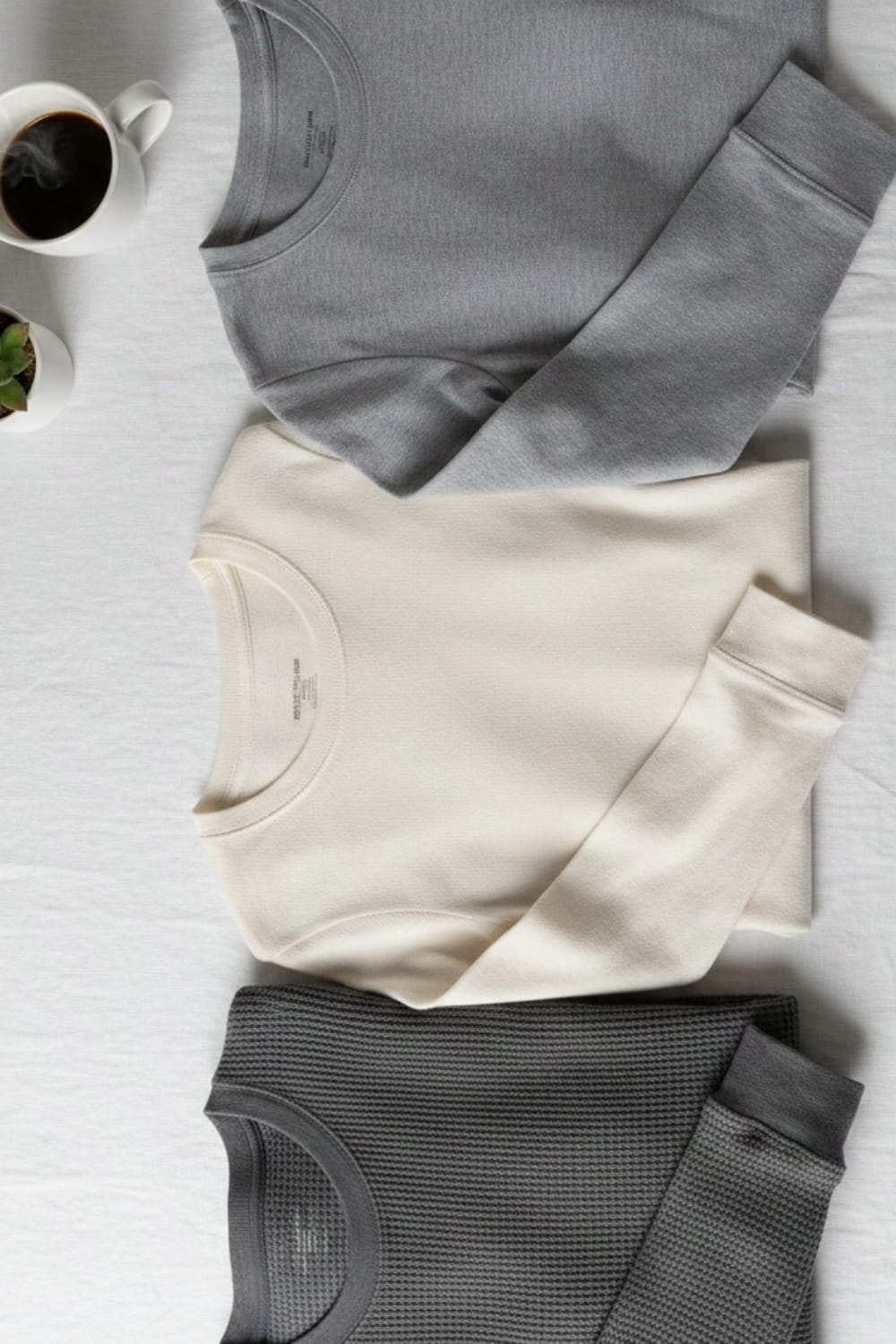
Merino wool and moisture-wicking synthetics work beautifully because they regulate temperature and keep you dry throughout the day.
A fitted long-sleeve top or thermal shirt in a neutral shade like ivory, charcoal, or soft heather gives you endless options for what comes next. Avoid cotton if you can, especially if you’ll be moving between heated indoor spaces and cold outdoor air.
Cotton holds moisture and can leave you feeling clammy. The best layering techniques for women always prioritize comfort at this foundational stage, so choose something that feels good against your skin and doesn’t restrict movement.
The Middle Layer: Where Warmth Meets Style
This is where your personality starts to shine through. The middle layer adds insulation and creates visual interest, so don’t be afraid to experiment.
Lightweight sweaters, cardigans, fleece pullovers, and button-up shirts all work well here. The key is choosing pieces that complement your base without overwhelming your frame.
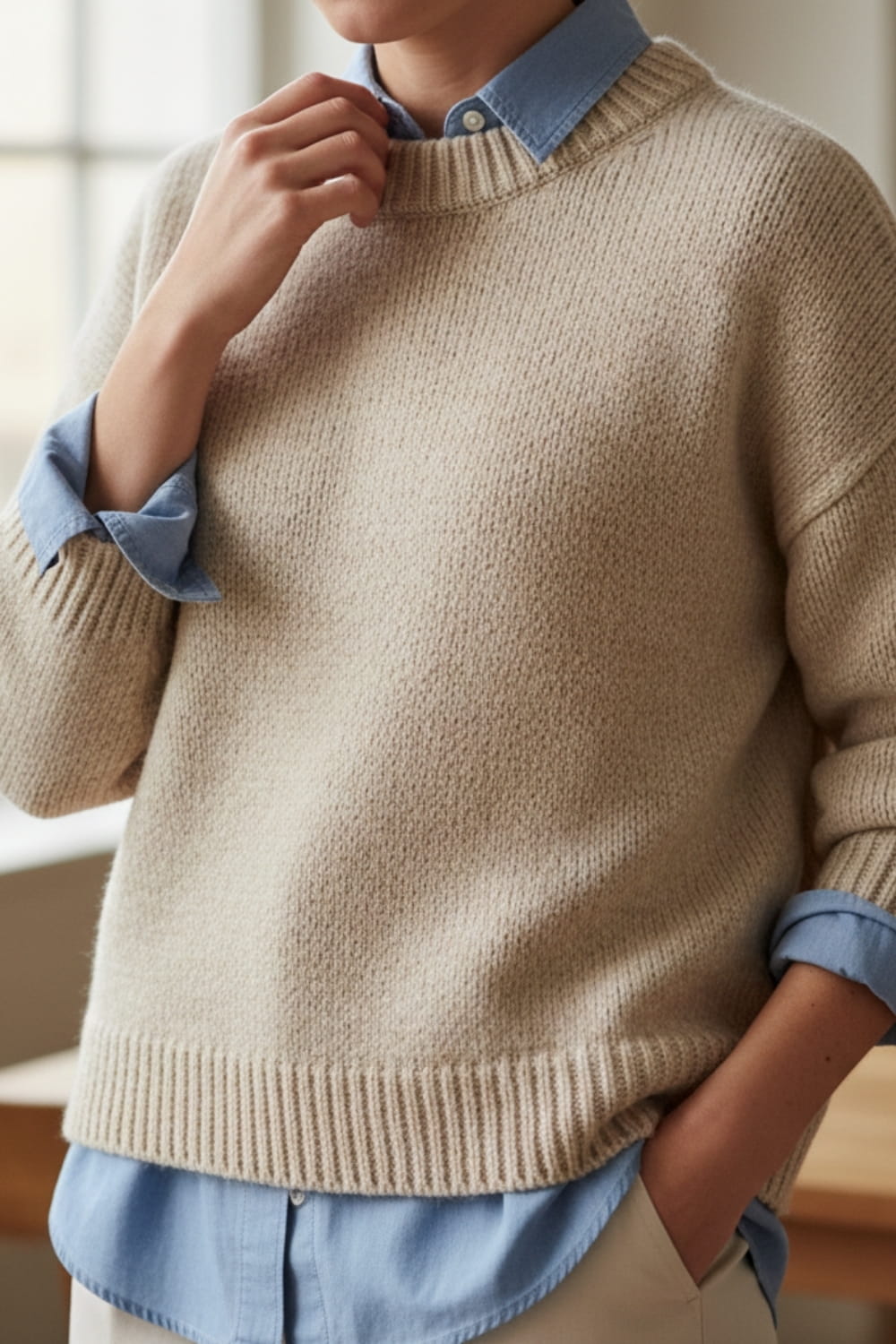
A slim-fitting turtleneck under a relaxed knit sweater creates lovely dimension, while a chambray shirt layered beneath a crew-neck pullover brings in texture and a touch of polish.
Fashion layering tips for cold weather often emphasize the importance of varying thicknesses and fabrics to avoid looking too uniform. Play with proportions too.
Pairing a longer cardigan with fitted leggings or jeans creates a balanced silhouette that feels current and comfortable.
How to Layer Clothes for Women Without Looking Bulky
The secret to avoiding that puffy, over-bundled look lies in understanding proportions and choosing the right fabric weights. Start by pairing fitted pieces with looser ones rather than stacking multiple oversized items.
If you’re wearing a chunky knit sweater, balance it with slim-fit jeans or tailored trousers underneath. Similarly, if your base layer is relaxed, keep your outer layers more structured.
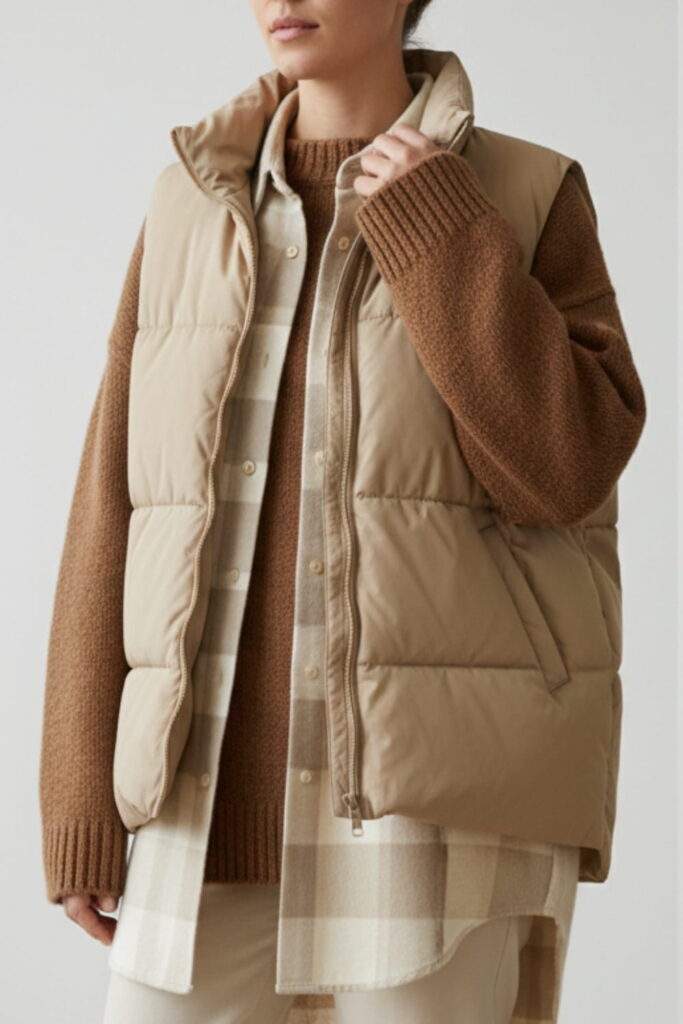
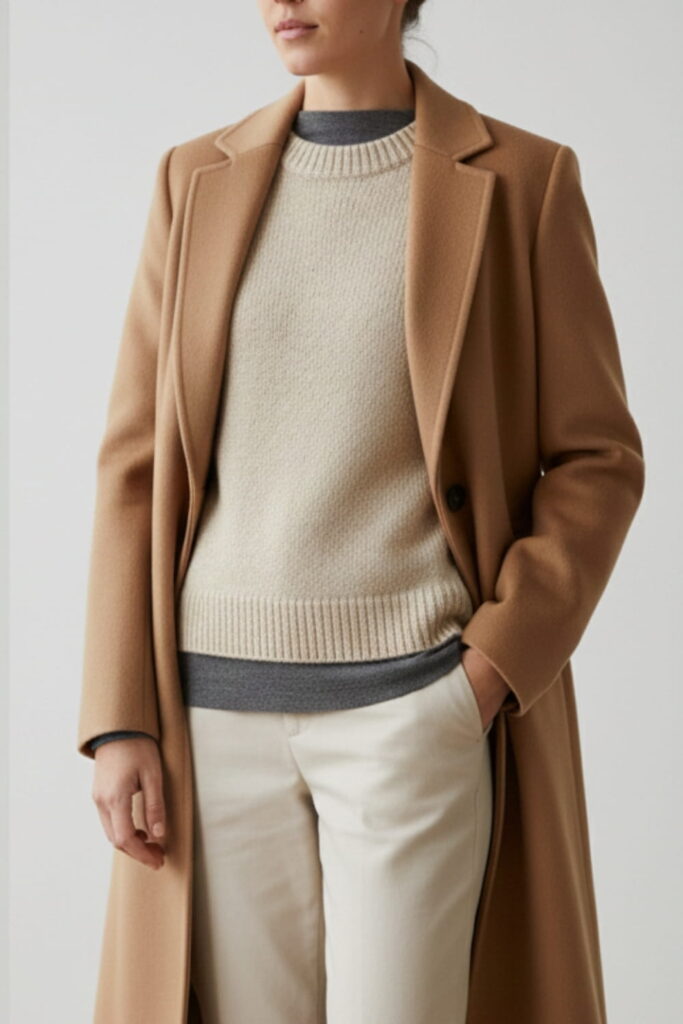
Fabric thickness matters tremendously. Instead of piling on three heavy sweaters, opt for one thin base layer, one medium-weight knit, and a well-insulated coat. Modern thermal fabrics are remarkably thin yet incredibly warm, which means you can stay cozy without adding visible bulk.
Look for materials like cashmere blends, lightweight down, and technical fleece that provide maximum warmth with minimal volume. Another helpful trick is to tuck in your innermost layer.
This defines your waistline and prevents fabric from bunching around your midsection, which instantly streamlines your silhouette. These layering tips for women focus on creating shape and structure even when you’re wearing multiple pieces.
Read More 😐 7 Stylish Winter Coats for Women: Must-Have Styles This Season
Winter Layering Tips for Women That Actually Work
Real-world winter layering goes beyond just throwing on extra clothes. It’s about strategic choices that keep you comfortable in varying conditions. One approach that genuinely works is the three-layer system: a moisture-wicking base, an insulating middle, and a weather-resistant outer shell.
This combination handles everything from morning commutes to evening outings without requiring a complete outfit change.
Pay attention to your body’s hot spots. Your core, neck, and extremities lose heat fastest, so focus your warmth there. A well-insulated vest keeps your torso warm without restricting arm movement, while a quality scarf prevents heat from escaping through your neckline.
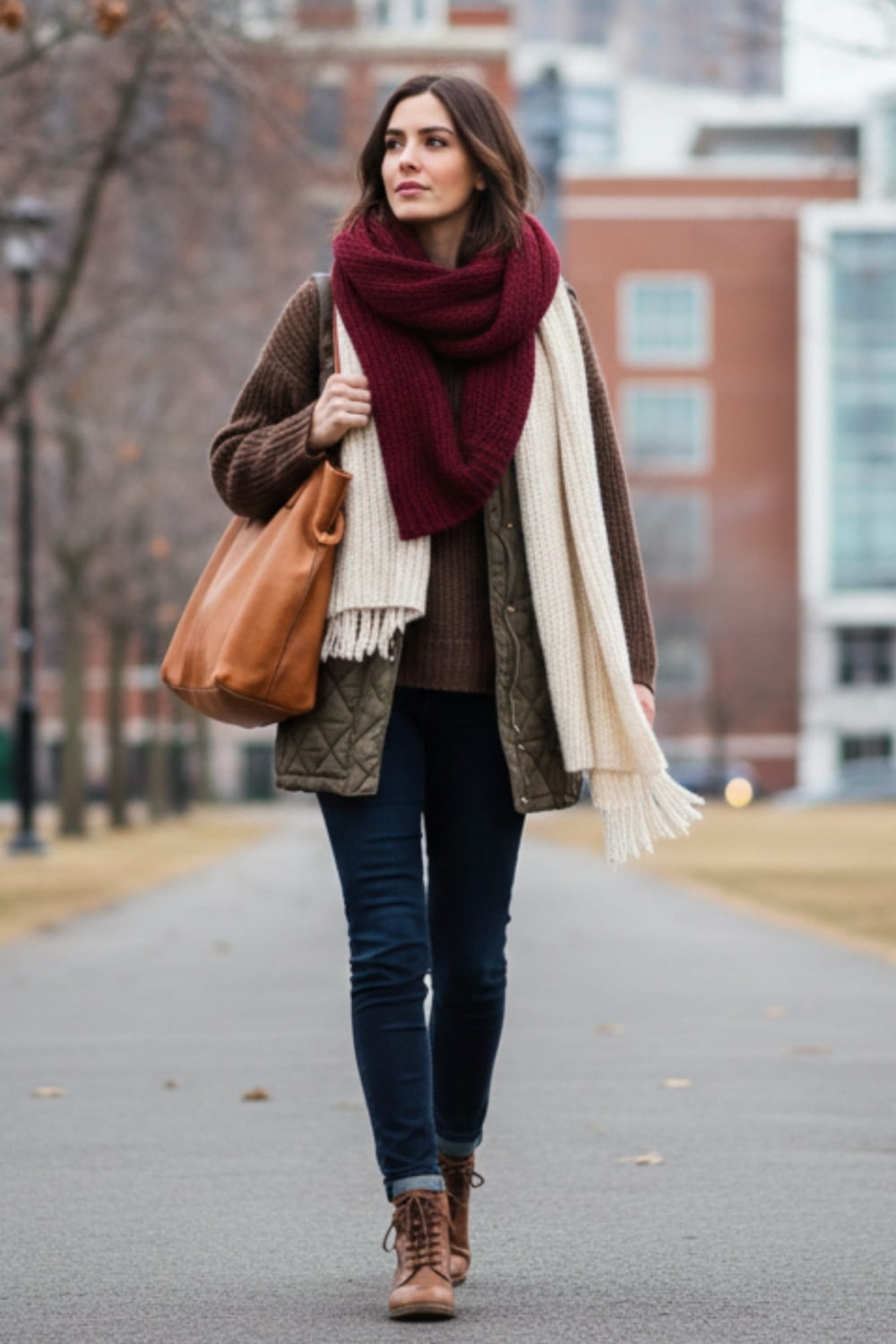
Wool socks and insulated boots matter just as much as what you’re wearing on top. When thinking about what to wear in cold weather women often focus solely on upper body layers and forget that cold feet can make your entire body feel chilly.
Another practical tip is to choose layers with different closure types. A zip-up hoodie, a button cardigan, and a pullover sweater give you multiple options for temperature control throughout the day. You can unzip, unbutton, or remove pieces as needed without disrupting your entire outfit.
Outerwear That Does the Heavy Lifting
Your outer layer is your armor against the elements, but it should also tie your whole look together. A well-chosen coat or jacket elevates even the simplest outfit underneath.
Wool coats, puffer jackets, trench coats, and parkas each serve different purposes, and having a couple of versatile options in your wardrobe makes winter dressing so much easier.
When thinking about how to stay warm and stylish in winter for women, proper coat fit becomes crucial. Your coat should accommodate the layers beneath without feeling tight across the shoulders or chest.
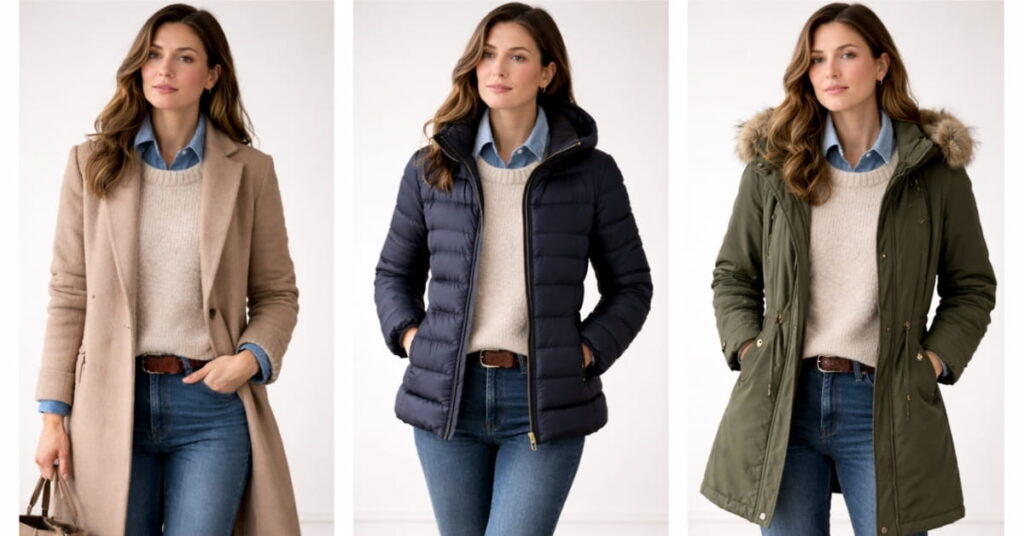
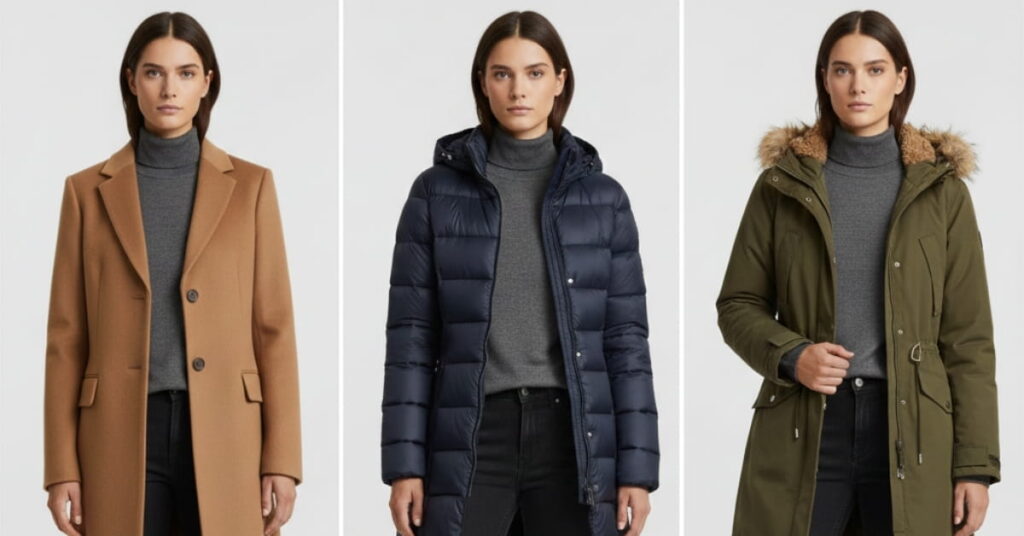
At the same time, it shouldn’t be so oversized that it drowns your shape. Look for styles with adjustable features like belts, drawstrings, or snap closures that let you customize the fit.
Neutral colors like camel, navy, black, and olive green work with nearly everything, but don’t shy away from richer tones like burgundy or forest green if that’s more your style.
Read More 😐 Top 15 Plus Size Clothing Brands You Need to Know This Year
Scarves, Hats, and Gloves: The Finishing Touches
Accessories aren’t just afterthoughts in winter – they’re essential components of any layered outfit. A chunky knit scarf adds warmth around your neck and brings in color or pattern that might be missing from your base layers. Wide scarves can double as shawls when you’re indoors and want to shed your coat but still need a little extra coverage.
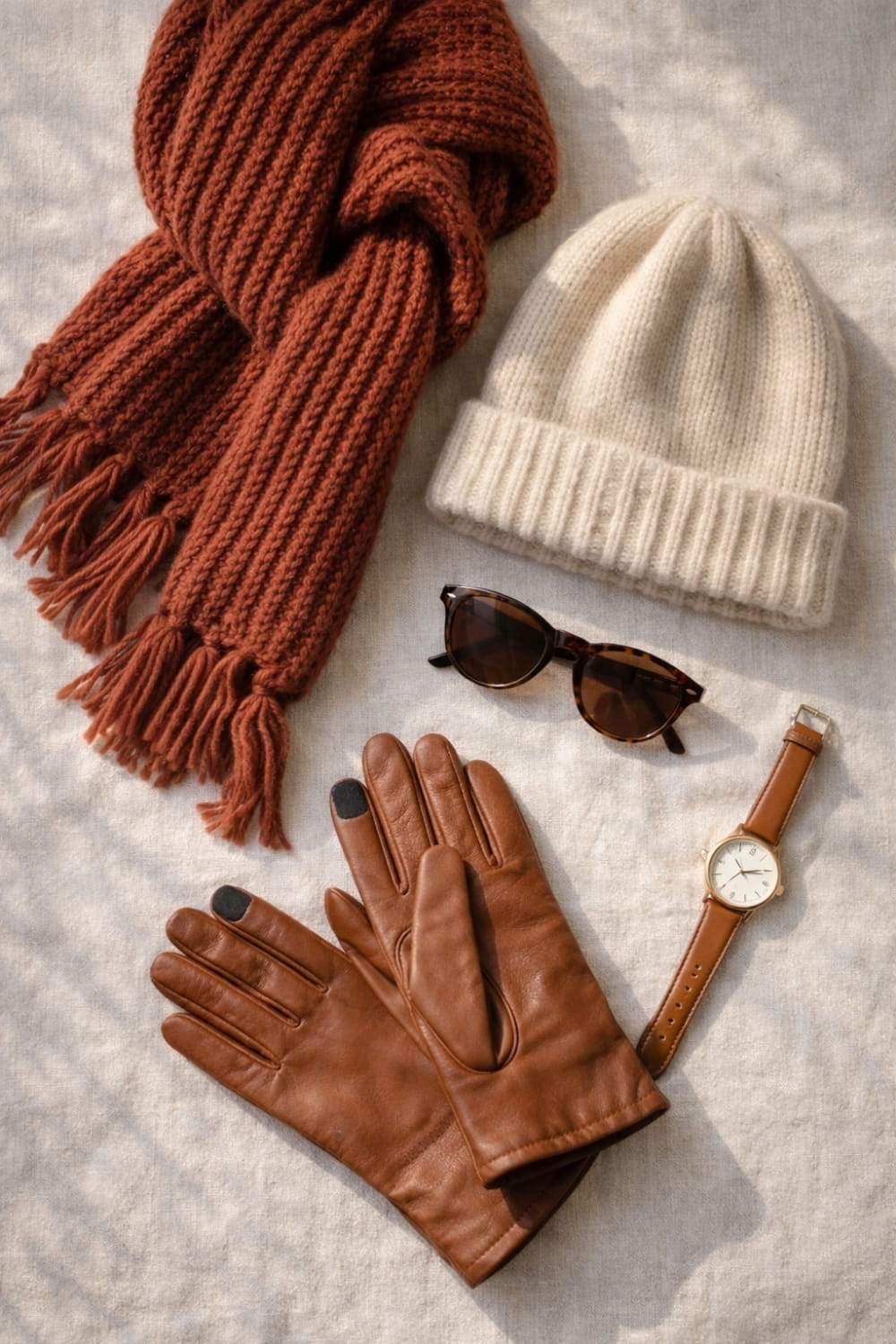
Beanies, berets, and wool hats keep heat from escaping through your head, which makes a bigger difference than you might think. Touchscreen-compatible gloves mean you don’t have to expose your hands every time you need to check your phone or swipe your transit card.
These small details make cold-weather dressing more practical and enjoyable. Stylish ways to layer clothes for winter always include thoughtful accessory choices that feel cohesive with the rest of your outfit.
Playing With Texture and Color
One of the most effective layering tips for women is to think beyond just adding more pieces. Consider how different textures interact with each other.
Pairing smooth fabrics like silk or satin with chunky knits creates visual contrast that’s far more interesting than wearing multiple sweaters in similar weights.
A leather jacket over a soft cashmere turtleneck, or a quilted vest over a flannel shirt, brings dimension to your look.
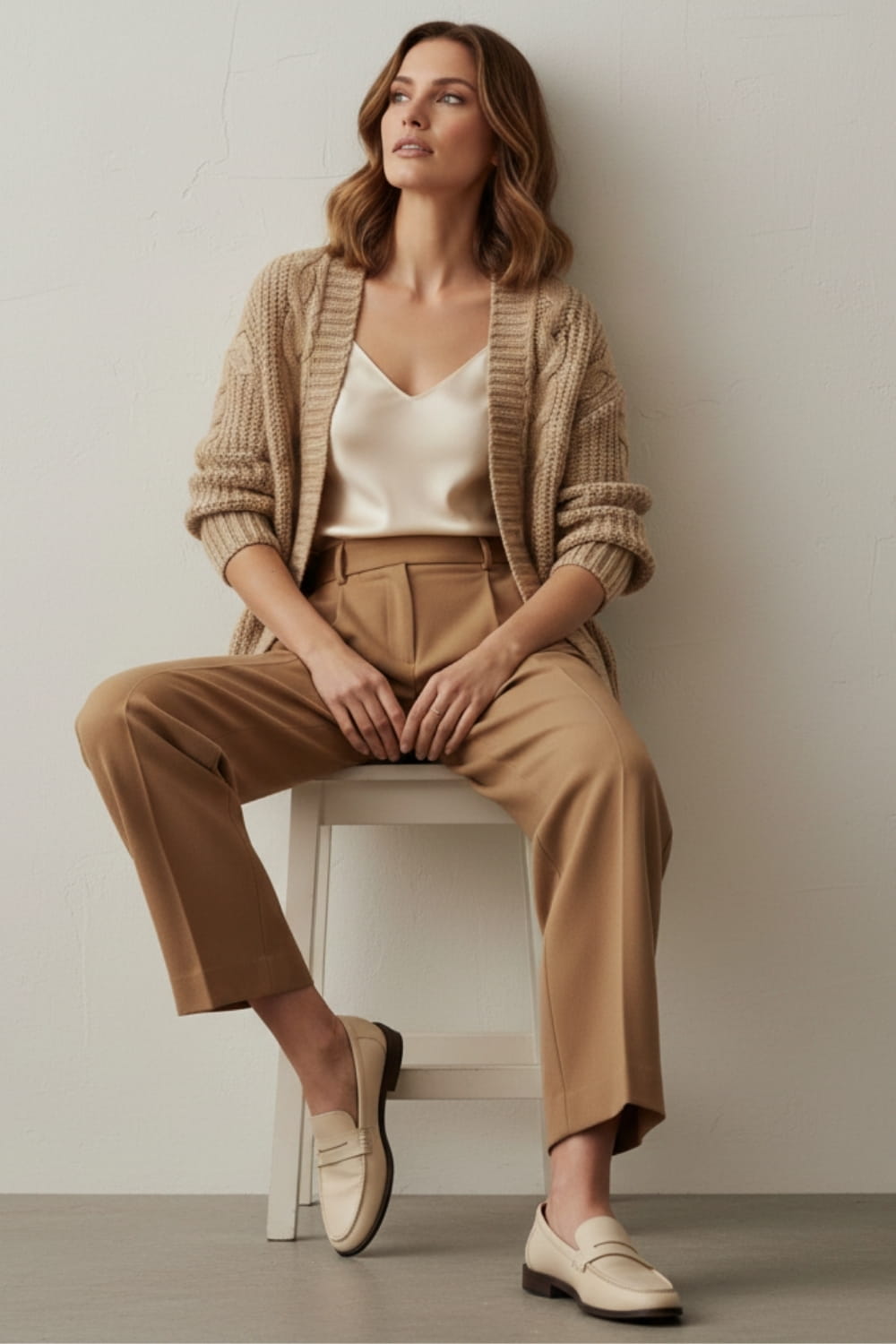
Color layering deserves attention too. Monochromatic outfits in varying shades of grey, cream, or navy look sophisticated and intentional.
Alternatively, mixing warm tones like rust, caramel, and cream evokes a cozy, autumnal feeling. Don’t be afraid to introduce a pop of color through your scarf, hat, or even your base layer if it peeks out at the collar or cuffs.
Adapting Layers Throughout the Day
The beauty of mastering how to layer outfits for fall and winter lies in flexibility. Your layering strategy should work whether you’re walking through a cold parking lot or sitting in an overheated café.
Choose pieces that are easy to remove and carry, like a cardigan that fits in your bag or a lightweight scarf that doesn’t take up much space.

Vests are particularly useful for this. A puffer vest or quilted gilet adds core warmth without restricting arm movement, and it’s easy to tie around your waist or tuck into a tote when you warm up.
Zip-up hoodies and half-zip pullovers offer similar versatility. Winter dressing becomes much less complicated when your wardrobe includes adaptable pieces that transition smoothly between different environments.
Avoiding Common Layering Mistakes
Even with good intentions, it’s easy to end up looking bulky or feeling restricted if you’re not mindful about how you layer.
One common misstep is wearing too many loose pieces at once, which can add visual weight and make you appear larger than you are. Balance is everything. If you’re wearing a chunky sweater, pair it with fitted pants or a slim-fitting base layer.
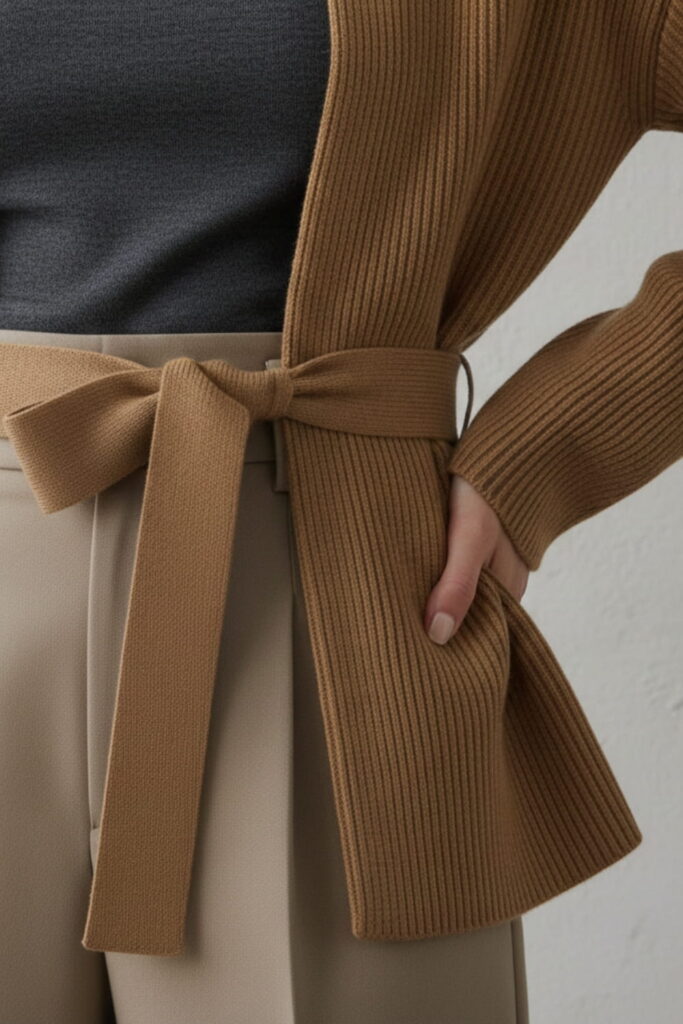
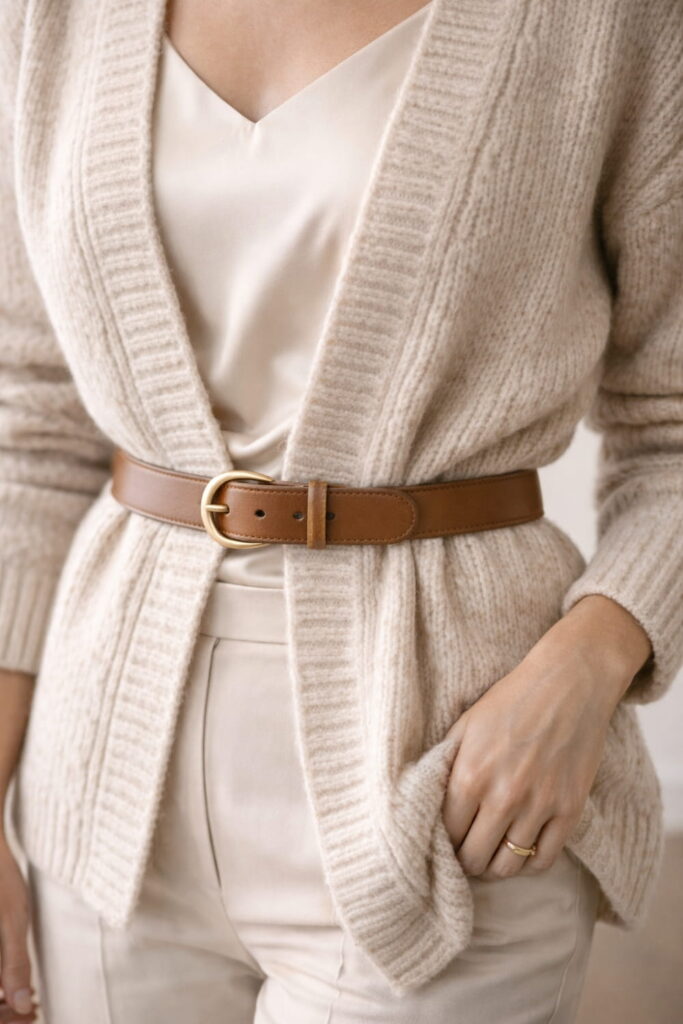
Another pitfall is neglecting proportions. Layering tips for women often stress the importance of showing some shape, even when bundled up.
A belted coat or a tucked-in shirt helps define your waist and prevents that shapeless, bundled-up feeling. Pay attention to sleeve lengths too.
When layering multiple tops, make sure sleeves end at different points so they’re not all bunching up at the same spot on your wrist.
Investing in Quality Over Quantity
You don’t need a massive wardrobe to layer well. A few high-quality basics in neutral colors will serve you far better than a closet full of trendy pieces that don’t work together.
Look for natural fibers, reinforced stitching, and timeless cuts that won’t look dated next season. A good wool coat, a couple of merino sweaters, and well-fitted thermal tops form the backbone of a versatile winter wardrobe.
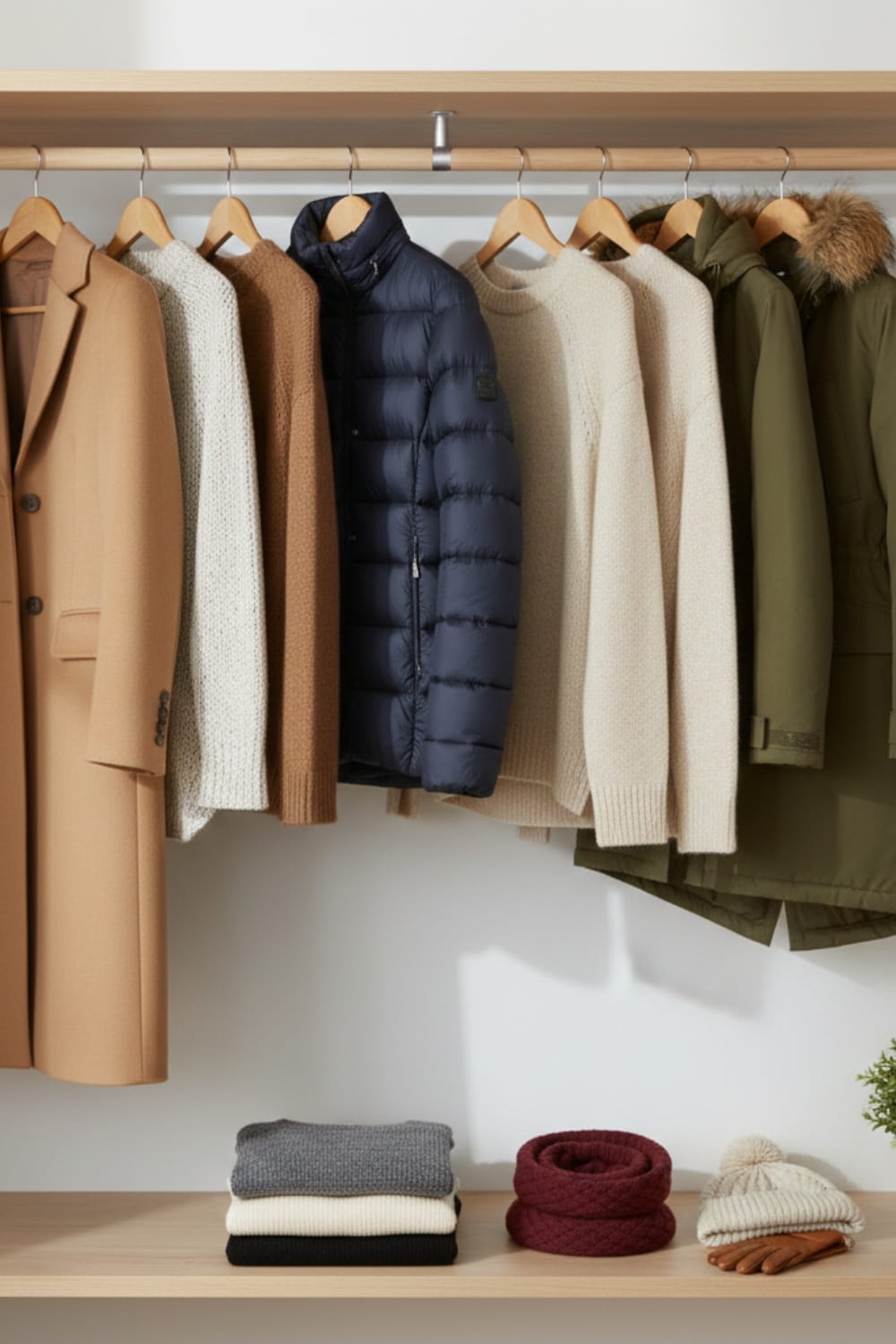
Quality pieces also tend to fit better and hold up longer, which means you’ll actually want to reach for them on cold mornings.
When you know your clothes will keep you warm and look good doing it, getting dressed becomes something to look forward to rather than a daily struggle.
Creating Your Personal Layering System
The best approach to winter dressing is one that reflects your lifestyle and aesthetic. If you spend most of your time outdoors, prioritize technical fabrics and heavier outerwear.
If you’re mostly indoors with occasional trips outside, lighter layers that you can easily adjust will serve you better. Think about the colors you gravitate toward and build your layering wardrobe around those shades.
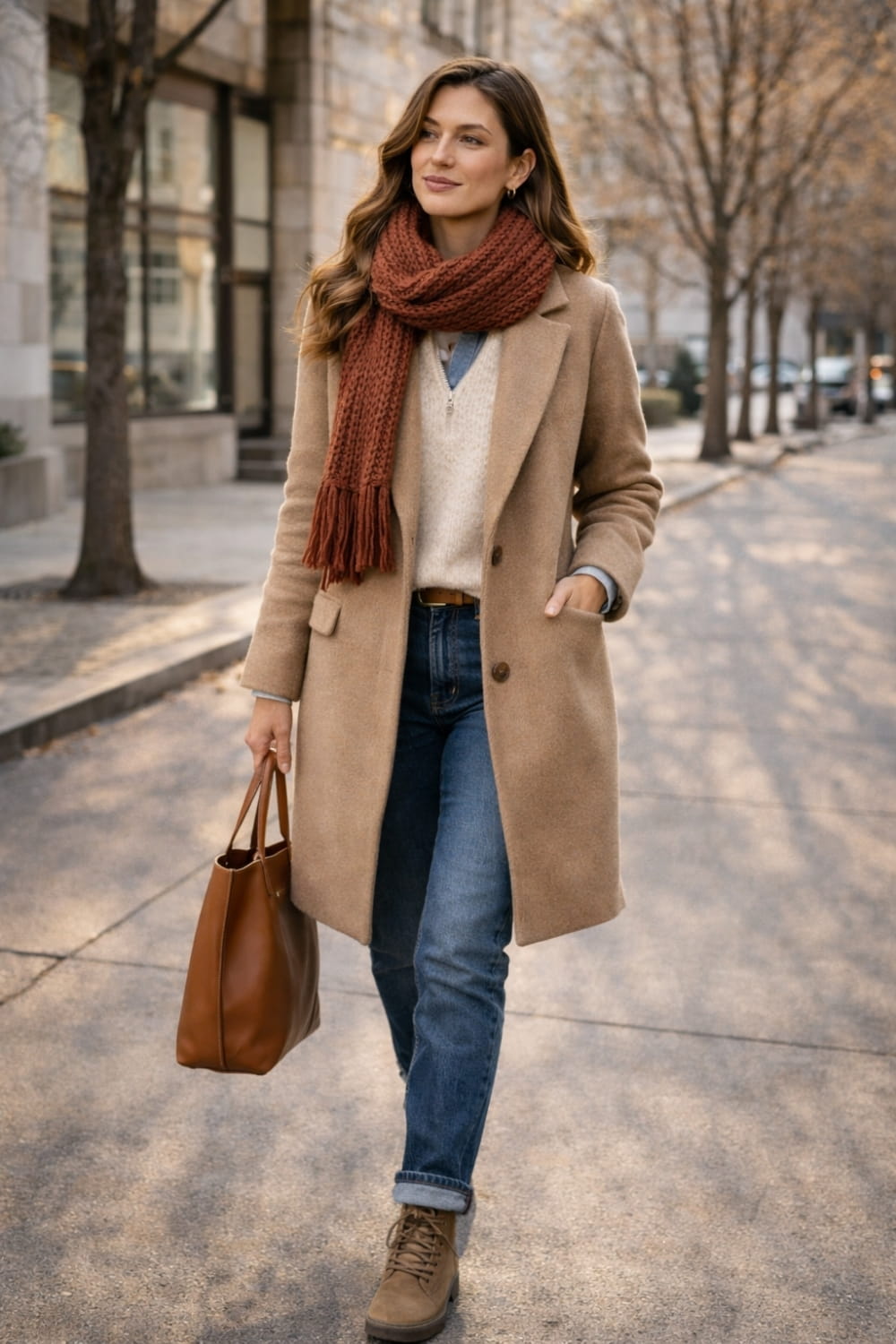
Experiment with combinations until you find what works for your body type and daily routine. Some women prefer longer tunics and cardigans, while others feel best in cropped jackets and fitted layers.
There’s no single right answer. These layering tips for women are meant to be adapted and personalized, not followed rigidly.
Conclusion:Layering Tips for Women
Winter dressing doesn’t have to feel complicated or restrictive. With a thoughtful approach to layering, you can stay comfortable in any temperature while expressing your personal style.
Start with quality basics, pay attention to fit and proportion, and don’t be afraid to mix textures and colors in ways that feel right to you.
The most important thing is that you feel confident and comfortable, whether you’re facing a blizzard or just a brisk autumn afternoon. Take these ideas, make them your own, and enjoy the process of creating outfits that work as hard as you do.